![파타고니아 꿈꾸는 인베랩의 도전 “AI·드론으로 생태계 복원” [서울시립대학교 캠퍼스타운] > NEWS](/img/assets/logo.svg)
InvaLab’s Challenge Inspired by Patagonia: “Restoring Ecosystems with AI and Drones” [University of Seoul Campus Town]

본문
[Since 2022, the University of Seoul has led youth entrepreneurship and regional innovation under the vision of “The Most Seoul-Like Impact, the Most Global Value,” beginning with the Seoul Impact initiative. In particular, it provides focused support to startups in AI-driven urban innovation and social impact, fostering a sustainable startup ecosystem where technology and social value are in harmony. The university was selected as an excellent case in the regional revitalization category of the Seoul Campus Town program and received an A+ grade in the 2024 Seoul Campus Town performance evaluation. Accordingly, IT Donga introduces the growth stories and innovative achievements of AI startups being nurtured by the University of Seoul.]
“We will create a sustainable future in which nature and humans coexist, grounded in scientific evidence.”

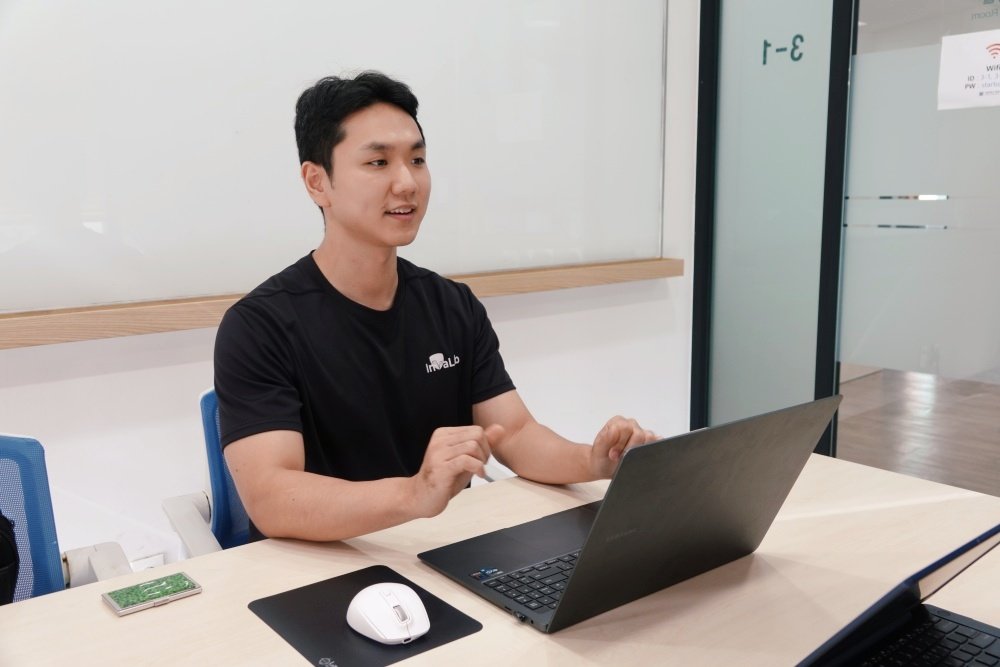
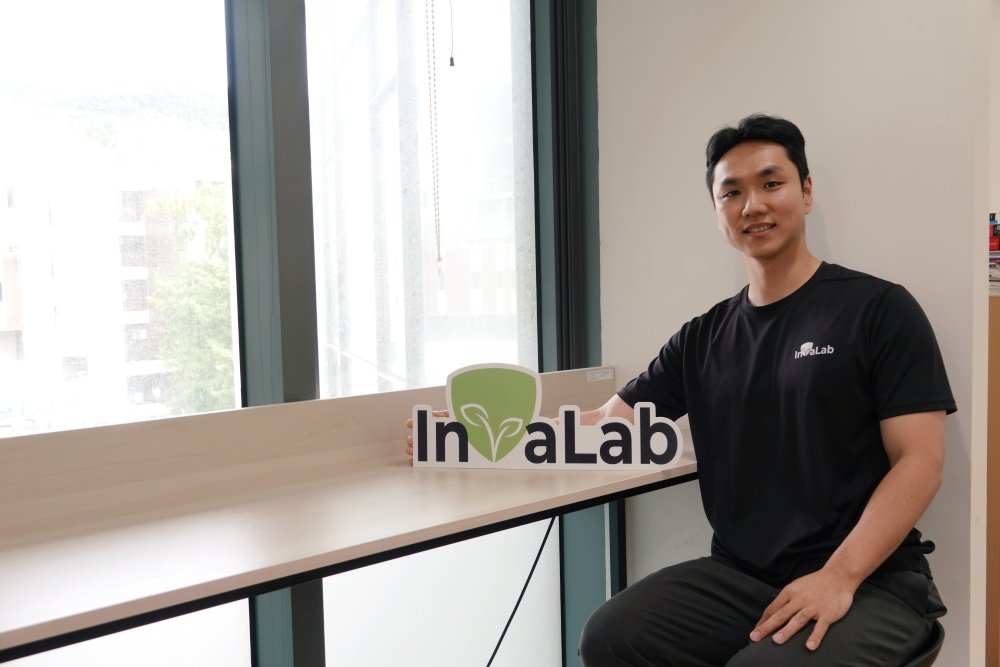
Shin Wonhyeop, CEO of InvaLab / Source: IT Donga
The damage to ecosystems caused by abnormal climate conditions is becoming increasingly severe. Invasive plant species such as ragweed, bur cucumber, and Canadian goldenrod are spreading across Korea, threatening native species. With their rapid and aggressive reproductive capacity, these plants not only disrupt local ecosystems but also cause crop damage and negatively affect human health by triggering allergies. The range of affected areas continues to expand each year.
However, effectively managing invasive plants and restoring damaged ecosystems is no easy task. It requires extensive field surveys, specialized personnel, and continuous monitoring even after removal. Nature-tech startup InvaLab Inc. is stepping in to address these challenges using AI, drones, and IoT technologies. We met with Shin Wonhyeop, CEO of InvaLab, to hear about the company’s direction and goals.
An Unexpected Startup Journey Rooted in Biodiversity Expertise
Founded in 2023, InvaLab develops integrated solutions for controlling invasive plant species. CEO Shin Wonhyeop explained that the company name was inspired by the word “invasion,” meaning intrusion or encroachment. “It carries a dual meaning,” he said. “One is to prevent the invasion of invasive species, and the other is to penetrate unseen areas using remote sensing technologies to quantitatively assess biodiversity.” Biodiversity refers to the overall diversity of species, ecosystems, and genetic resources on Earth. It is critically important as the foundation for maintaining ecosystem functions.
September 7, the founding date of InvaLab, coincides with the International Day of Clean Air for Blue Skies, designated by the United Nations (UN). First commemorated in 2020, the day aims to raise awareness of environmental pollution while promoting efforts to reduce pollution and create cleaner air. It is also meaningful as the first UN official international day proposed by the Korean government and is recognized as a national commemorative day.
CEO Shin Wonhyeop did not initially set out to become an entrepreneur. In 2018, as he was about to complete his master’s degree in plant ecology at Seoul National University, he secured an internship at the United Nations Development Programme (UNDP) regional office in Bangkok, Thailand, where he worked for about six months. During this time, he felt frustrated that although social and climate issues were accelerating, solutions progressed slowly due to organizational governance constraints—even when the necessary technologies existed. He also faced the practical concern that, due to frequent personnel rotations inherent to such organizations, he might not be able to continue pursuing his desired research. He later strengthened his expertise in the natural environment and ecosystem field, earning a Ph.D. in Landscape Architecture from Seoul National University in 2024.
Reflecting on his journey, Shin noted, “Plant ecology is a labor-intensive field centered on experts, but due to demanding fieldwork and relatively low compensation, the workforce has continued to shrink. From data collection in the field to analysis, the workload effectively doubles. There was a clear need to overcome this structure technologically. In seeking to solve this problem through technology and apply solutions more rapidly, founding InvaLab became a natural step.”
An Integrated Solution from Precision Diagnosis to Customized Action
InvaLab provides an integrated solution that adds science-based core technologies to natural ecosystem restoration. These core technologies are built on two pillars: precision diagnosis (monitoring) and customized action (restoration).
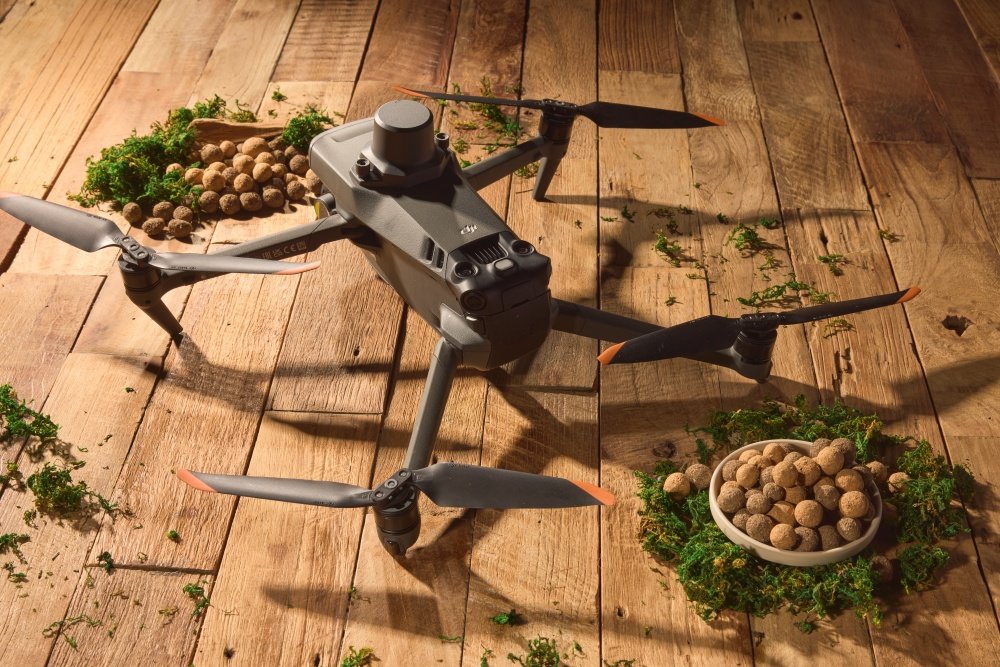
Precision diagnosis leverages remote sensing techniques that combine multispectral drone data with standard high-resolution drone imagery. InvaLab has currently achieved up to 95% accuracy in biological detection, enabling the quantification of living organisms even in areas invisible to the naked eye. Based on these diagnostic results, InvaLab produces and deploys its proprietary Seed Balls, enabling customized restoration actions. Accurately determining the appropriate function and quantity of Seed Balls required for restoration is itself a key technological capability.
Shin emphasized, “In the medical field, there are many imaging tools such as CT scans and X-rays, but what matters more is accurately diagnosing the images and prescribing the right treatment. InvaLab works the same way. We analyze drone imagery and ecological data to make informed decisions, determining the necessary functions and quantities of Seed Balls. That is where our proprietary technological strength lies.”
![파타고니아 꿈꾸는 인베랩의 도전 “AI·드론으로 생태계 복원” [서울시립대학교 캠퍼스타운] > NEWS](/img/assets/logo_footer.svg)